The Role of Employers Liability Insurance in Risk Management

In Singapore’s fast-paced business environment, employers face a dual challenge—ensuring workplace safety and safeguarding their organisation against potential liabilities. As a global hub for commerce and innovation, Singapore has stringent workplace safety standards to protect employees. However, even with robust safety protocols, accidents and illnesses can still occur, placing businesses at risk of costly lawsuits and compensation claims.
Employers liability insurance is an essential tool in managing these risks. It provides financial coverage for claims made by employees who suffer work-related injuries or illnesses, ensuring that businesses can meet their obligations without compromising their financial health. This insurance is particularly crucial for small and medium-sized enterprises, where the financial impact of legal claims can be devastating.
Beyond its financial benefits, employers liability insurance demonstrates a company’s commitment to employee welfare, fostering trust and improving workplace morale. It also helps companies comply with Singapore’s Workplace Safety and Health Act, reducing the risk of legal penalties and reputational damage.
In this article, we will explore the significance of employers liability insurance in risk management. From understanding its scope to integrating it with broader safety practices, we will highlight several ways businesses can create a safer work environment whilst protecting their financial interests.
Part 2: Understanding Employers Liability Insurance

2.1. What Is Employers’ Liability Insurance and Why Is It Important?
Employers' liability insurance protects businesses against financial and legal risks arising from work-related injuries or illnesses suffered by employees. It covers expenses such as legal fees, compensation, and settlements, helping companies stay compliant with workplace safety and health regulations while safeguarding their operations.
In Singapore, employer obligations under the Workplace Safety and Health Act require maintaining a safe work environment; yet, accidents can still occur. This coverage provides crucial workplace injury protection and coverage for employee accidents, ensuring that businesses, especially SMEs, are not burdened by unexpected claims or lawsuits.
Beyond compliance, it reflects an employer’s genuine concern for staff welfare. By offering this layer of protection, companies strengthen employee trust, reinforce operational stability, and foster a safer and more resilient workplace culture.
Learn More: The Role of Public Liability Insurance in Managing Business Risks Effectively
2.2. Coverage Details
This form of protection enables businesses to manage the financial and legal consequences of workplace injuries or illnesses. It cushions employers against costs linked to employee claims, covering legal defence, settlements, and compensation, ensuring compliance with workplace safety and health regulations while maintaining operational stability.
Coverage often extends to medical treatment, rehabilitation, and long-term health issues such as respiratory or musculoskeletal conditions that may result from prolonged exposure to workplace hazards. Pairing it with complementary plans, such as medical insurance for workers, can further strengthen overall protection.
For employers navigating their obligations in Singapore, it’s crucial to understand policy terms, especially exclusions tied to regulatory breaches or high-risk activities. Comprehensive protection not only mitigates potential financial losses but also reinforces a company’s reputation as a responsible and caring employer.
Part 3: The Intersection of Risk Management and Employers Liability Insurance
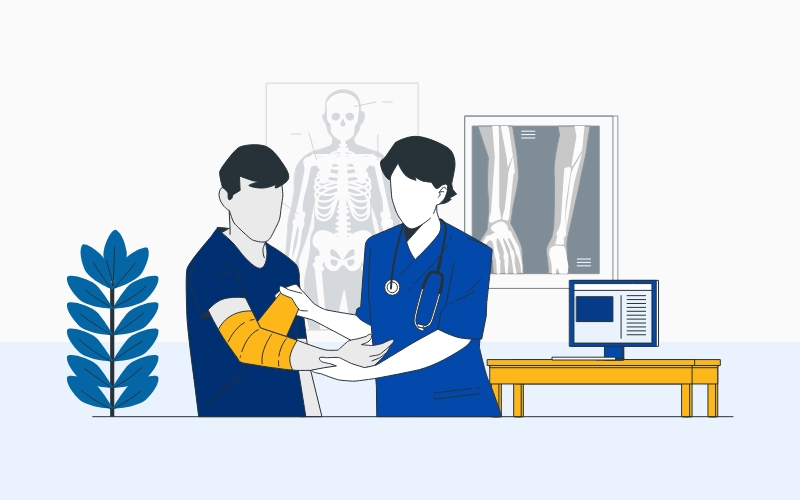
3.1. What Are the Legal Obligations of Employers in Singapore?
In Singapore, employers have a legal duty to provide a safe and healthy working environment for their employees. This obligation is outlined in the Workplace Safety and Health Act (WSHA), which sets stringent standards for mitigating workplace hazards and preventing accidents. Failing to adhere to these regulations can result in severe penalties, including fines, legal actions, and reputational damage. Employers liability insurance plays a critical role in fulfilling these legal requirements.
Companies, however, should see this as more than just a legal obligation. With employees under your charge, it is your responsibility to ensure that they are well taken care of, just as you would your company. Providing them with group insurance for employees alongside employers liability insurance is an effective, two-pronged approach to build a happy and productive team whilst protecting the company’s long-term interests.
3.2. Benefits of Employers Liability Insurance
- Financial protection: Covers legal fees, compensation, and settlement costs arising from workplace accidents or illnesses, reducing financial strain on the organisation.
- Compliance assurance: Supports adherence to workplace safety and health regulations, helping employers meet their obligations in Singapore and avoid penalties for non-compliance.
- Enhanced employee trust: Demonstrates commitment to staff welfare, boosting morale, loyalty, and overall job satisfaction.
- Reputation and credibility: Reflects a responsible business image that values safety and employee wellbeing, an attractive quality for potential hires, clients, and partners.
- Stronger risk management: Identifies and mitigates gaps in workplace safety, allowing businesses to stay resilient and focused on long-term stability
Part 4: What Are the Best Practices for Effective Risk Management?
4.1. Conducting Regular Safety Audits
Conducting regular safety audits is a fundamental aspect of effective risk management for employers. These audits involve a thorough examination of workplace conditions, processes, and equipment to identify potential hazards. By proactively addressing risks, businesses can significantly reduce the likelihood of workplace injuries and related liability claims.
Safety audits should be systematic and comprehensive, covering all aspects of operations. This includes evaluating equipment maintenance, reviewing employee adherence to safety protocols, and assessing environmental factors such as lighting and ventilation. A detailed audit report allows organisations to prioritise corrective actions, ensuring compliance with regulatory standards and reducing exposure to legal risks.
Regular audits also create a culture of safety within the workplace. Employees are more likely to follow safety guidelines when they see their employer actively investing in hazard prevention. This not only reduces the risk of accidents but also boosts employee morale and productivity.
Additionally, documenting safety audits can serve as evidence of due diligence in the event of a claim or inspection. This demonstrates the organisation's commitment to maintaining a safe work environment, which can mitigate legal consequences.
By embedding routine safety audits into their operations, employers can effectively protect their workforce, enhance operational efficiency, and safeguard against potential liabilities.
4.2. Training and Education
Training and education are critical components of risk management, equipping employees with the knowledge and skills needed to maintain a safe and compliant workplace. When workers understand safety protocols and practices, they are better prepared to avoid accidents and respond appropriately to potential hazards, reducing the likelihood of injuries and liability claims.
Comprehensive safety training should be tailored to the specific roles and risks within an organisation. For example, office-based employees may need ergonomic training, while those in manufacturing or construction require detailed instruction on machinery operation, hazardous materials handling, and personal protective equipment (PPE) use. Regular refresher courses ensure that employees stay up to date with evolving safety regulations and company policies.
Education also extends to managers and supervisors, who play a pivotal role in enforcing safety standards and setting an example for their teams. Leadership training can improve their ability to identify risks and address unsafe behaviours promptly.
Interactive training sessions, such as workshops and simulations, can enhance engagement and retention of safety knowledge. Digital tools, such as e-learning platforms, provide flexible options for ongoing education.
By prioritising employee training and education, businesses not only comply with legal obligations but also foster a proactive culture of safety.
Part 5: Real-world Case Studies
5.1. Notable Liability Claims
Examining real-world cases of employers’ liability claims highlights the financial and operational risks businesses face when safety measures fall short. These cases underscore the importance of robust risk management strategies and comprehensive liability insurance coverage.
In one notable instance, a manufacturing company faced a significant claim after an employee sustained severe injuries while operating faulty machinery. The investigation revealed that regular maintenance checks had been neglected, leading to equipment malfunction. The employee pursued legal action, resulting in a hefty compensation payout that significantly affected the company’s finances. Without liability insurance, the organisation would have faced even greater financial repercussions, potentially endangering its operations.
Another case involved an office worker who developed repetitive strain injury (RSI) due to prolonged use of inadequate workstation setups. The lack of ergonomic furniture and insufficient training on posture and breaks led to a claim that included medical costs and lost wages. This case highlighted the need for proactive measures to address workplace ergonomics, a growing concern in modern office environments.
These examples illustrate how negligence in workplace safety and compliance can result in costly claims. Employers’ liability insurance not only helps cover these expenses but also enables companies to recover and implement necessary improvements. Other measures like providing healthcare benefits for employees or even corporate medical insurance policies can further safeguard both employees and your company.
5.2. Lessons Learned from the Claims
Real-world case studies of liability claims serve as powerful reminders of the importance of proactive risk management and adequate insurance coverage. These cases highlight critical lessons that businesses must heed to avoid financial and reputational harm.
One key takeaway is the necessity of prioritising workplace safety. Negligence in maintaining equipment, implementing safety protocols, or providing adequate training often results in severe consequences. For example, the manufacturing case involving faulty machinery demonstrated the cost of overlooking regular maintenance checks. By conducting routine inspections and ensuring that equipment meets safety standards, such incidents can be avoided, saving businesses from substantial claims.
Another lesson lies in the value of ergonomic workplace design, as seen in the case of repetitive strain injuries. Addressing these risks by providing proper equipment, such as adjustable chairs and desks, and educating employees on healthy practices can prevent long-term health issues and related claims.
These claims also underscore the critical role of employers’ liability insurance. Without adequate coverage, businesses can be rocked by compensation payouts, legal costs, and operational disruptions. Insurance acts as a safety net, allowing companies to focus on recovery and improvement rather than picking up the pieces of the ensuing financial devastation.
Finally, encouraging open communication about potential risks and promoting a shared responsibility for workplace well-being can mitigate hazards before they escalate. These lessons reinforce that investing in safety, training, and insurance is not just a regulatory requirement but a strategic imperative for long-term success.
Safeguard Your Business with Employers Liability Insurance in Singapore
Employers' liability insurance is an essential component of any business’s risk management strategy. By understanding its importance, companies can safeguard their financial stability and protect the well-being of their employees. This type of insurance ensures that businesses are prepared for the potential legal and financial repercussions of employee injuries or illnesses, providing the peace of mind needed to focus on growth and productivity.
Implementing effective risk management practices, such as conducting regular safety audits and ongoing employee training, complements liability insurance by helping reduce the likelihood of claims. Moreover, these practices, together with providing adequate medical insurance for workers, contribute to a safer work environment and foster trust between employees and employers, reinforcing workplace morale and engagement.
Businesses that recognise the value of a comprehensive approach to risk management, including robust corporate medical insurance coverage and preventive measures, are better positioned to face unexpected challenges. Liability insurance, when combined with proactive safety strategies, empowers companies to maintain operational continuity, support their workforce, and enhance their reputation as a responsible and employee-centric employer.
For businesses in Singapore, partnering with a reputable insurance broker, like eazy Insurance, can help navigate the complexities of selecting the right coverage to meet specific needs. This step ensures that organisations are protected and equipped to handle any liabilities that may arise.
For more information, please contact us today.
Contact us for policy quotation,
comparison and unbiased advice now!