Cyber Insurance Singapore: How to Choose the Right Policy for Your Business in 2026
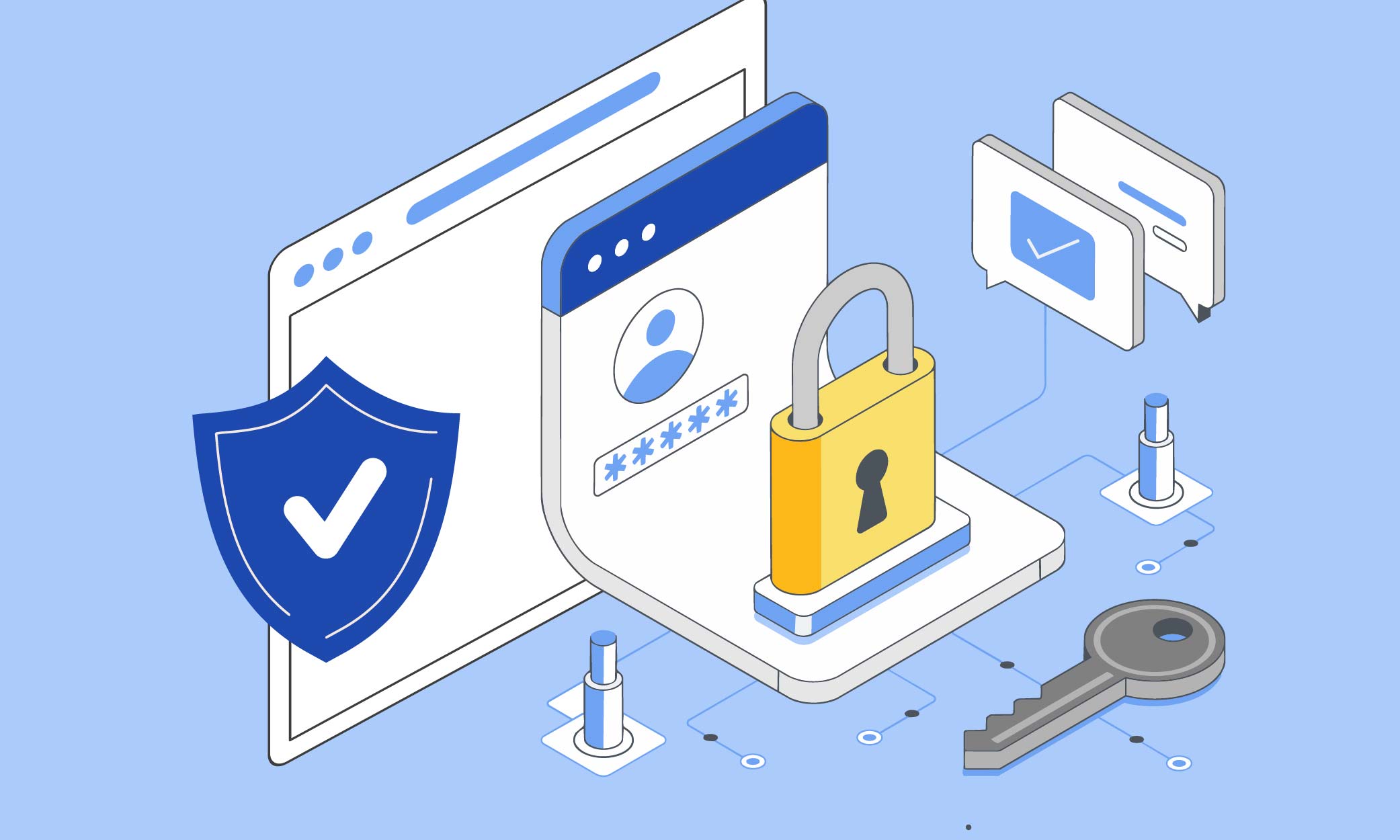
The cyber threat landscape for Singapore businesses has never been more hostile. Ransomware groups now operate with near corporate efficiency, data breaches are making headlines every quarter, and regulators are scrutinising organisations more closely than ever. Yet many local businesses, particularly small and medium enterprises, still view cyber insurance as an optional expense.
That thinking is changing rapidly. Here is what you need to know to choose the right cyber insurance policy for your Singapore business in 2026.
Why Cyber Insurance is No Longer Optional in Singapore
The question used to be whether your business was a realistic target for cybercrime. Today, that question is largely settled, and the answer is yes.
PDA Penalties: Up to 10% Annual Turnover
Singapore's Personal Data Protection Act (PDPA) has grown teeth. Following amendments that came into force in 2021 and subsequent enforcement actions, the Personal Data Protection Commission (PDPC) can now impose financial penalties of up to S$1 million or 10% of an organisation's annual local turnover, whichever is higher. For a mid-sized business turning over S$10 million annually, that is a S$1 million exposure from a single compliance failure.
PDPA obligations extend beyond breach notification. Businesses must implement reasonable security arrangements, and "reasonable" is a standard the PDPC has shown it will test. Cyber insurance that covers regulatory fines and legal defence costs is no longer a luxury and has become an essential part of effective risk management.
Over 50% of Cyberattacks Now Target SMEs
The assumption that cybercriminals focus exclusively on large corporations is dangerously outdated. Globally, SMEs now account for the majority of ransomware victims precisely because they tend to have weaker security controls and fewer dedicated IT resources, making them easier and more efficient targets. Singapore's SME community, which forms the backbone of the local economy, is squarely in that crosshair.
The Cyber Security Agency of Singapore (CSA) has consistently flagged phishing, business email compromise, and ransomware as the top threats to local businesses. These are not nation-state-level attacks requiring sophisticated tools but are commodity threats that any employee clicking the wrong link can trigger.
Shared Responsibility Framework (Dec 2024)
In December 2024, Singapore introduced an updated Shared Responsibility Framework (SRF) governing how liability is apportioned between financial institutions, telecommunication companies, and consumers in scam incidents. While the SRF is primarily targeted at consumer-facing sectors, it signals a clear regulatory direction: organisations that cannot demonstrate they have taken adequate steps to manage cyber risk will find themselves holding more of the liability.
What First-Party (Liability) Coverage Pays For
Cyber insurance policies come in two broad categories: first-party coverage (your own losses) and third-party liability coverage (claims made against you). Understanding both is essential before you sign.
First-party coverage responds when your own operations are disrupted or your own assets are compromised.
Incident Response and Forensic Investigation
When a breach occurs, you need to know what happened, how it happened, and what data was accessed. First-party coverage typically funds the forensic investigation required to answer those questions, including the engagement of specialist cybersecurity firms. Without this coverage, a thorough investigation can cost tens to hundreds of thousands of dollars depending on the complexity of your systems.
Business Interruption and Revenue Loss
A ransomware attack that takes your systems offline does not just create a one-time recovery cost but also cuts off revenue entirely. Business interruption coverage compensates for the income lost during the period your operations are impaired, subject to a waiting period (often 8–12 hours) and a policy sub-limit. For businesses with significant digital dependencies such as e commerce, SaaS operations, and cloud based services, this can be the single most valuable component of a cyber insurance policy.
Data Recovery and System Restoration
Rebuilding compromised systems from scratch, recovering encrypted data, or restoring from clean backups takes time, expertise, and money. First-party policies cover the reasonable costs of data recovery and system restoration, reducing the out-of-pocket expense of returning to normal operations.
Crisis Management and PR Costs
A data breach can damage your brand as much as your balance sheet. Many cyber policies include a crisis communications component that covers the cost of engaging PR consultants to manage messaging, draft customer notifications, and protect your reputation. Given that Singapore customers and B2B partners increasingly factor data stewardship into their buying decisions, this is not a trivial benefit.
What Third-Party (Liability) Coverage Pays For
Third party coverage protects your business when regulators, customers, or other affected organisations bring claims arising from a cyber incident.
PDPC Regulatory Fines and Legal Defence
If the PDPC investigates your business following a data breach, you will need legal representation. If a financial penalty is imposed, you also need sufficient capital to absorb the impact. Third party coverage typically includes the costs of regulatory defence and, where permitted under Singapore law, may cover part of any resulting fines.
It is important to note that not all regulatory penalties are insurable. Your broker should clearly explain what your policy actually covers within the Singapore regulatory context.
Third-Party Claims From Affected Customers
If a breach results in your customers' personal data being leaked, those customers may have grounds for legal action against your business. Third-party liability coverage responds to compensation claims, legal costs, and settlements arising from such actions. With class-action-style group litigation becoming more common globally, this coverage is increasingly significant even for businesses without a retail consumer base.
Media Liability and Reputational Harm
Third-party cyber policies often include media liability coverage, which responds to claims of defamation, copyright infringement, or privacy violations arising from your digital content or communications. This is particularly relevant for businesses with active online marketing, publishing, or content operations.
Critical Exclusions to Check For
What a policy does not cover matters as much as what it does. Always read the exclusions section carefully.
Prior Knowledge and Undisclosed Breaches
Most cyber policies do not cover losses arising from incidents that you knew about or reasonably should have known about before the policy incepted. If your IT team identified a vulnerability that was not addressed, and that same weakness is later exploited, your insurer may deny the claim. Full and honest disclosure at the time of application is not just good practice but a legal requirement under Singapore insurance law.
Intentional Acts and Insider Threats
Losses arising from intentional acts by the business owner, directors, or employees are usually excluded from coverage. Insider threats, where a current or former employee deliberately removes or destroys data, can fall into a grey area. Some policies provide limited coverage for insider threats, while others exclude them altogether. It is important to ask specifically.
War and State-Sponsored Attacks
The "war exclusion" has become one of the most contested areas in cyber insurance globally, particularly following high-profile attribution of attacks to nation-state actors. Many policies exclude losses attributed to acts of war or cyberwarfare conducted by or on behalf of a sovereign government. In an era of persistent state-sponsored cyber operations, understand precisely where your policy draws this line.
Infrastructure Failure (Not a Cyberattack)
If your cloud provider or internet service provider experiences an outage that is not caused by a cyberattack, such as a hardware failure or software bug, many cyber insurance policies will not respond. Business interruption cover under a cyber policy usually requires a qualifying cyber event as the trigger. For businesses that rely heavily on third party infrastructure, it is important to consider whether separate technology errors and omissions or contingent business interruption coverage is needed.
How to Assess Your Coverage Needs
The right coverage level depends on your specific risk profile. Work through these three factors before approaching insurers or brokers.
What Data You Store and Its Sensitivity
A business that handles payment card data, medical records, or large volumes of personal information faces much higher regulatory and liability exposure than one that holds only basic customer contact details. Before deciding on your coverage needs, map your data assets by understanding what data you collect, where it is stored, how it is protected, and who has access to it.
Revenue Dependency on Digital Operations
Calculate what a 24-hour, 72-hour, and one-week outage of your core digital systems would cost in lost revenue and productivity. This number anchors your business interruption sub-limit requirement. Businesses where every transaction runs through an online platform have materially different needs from those with significant offline operations.
Industry-Specific Compliance Obligations
Certain sectors in Singapore operate under layered regulatory requirements beyond the PDPA. Financial services firms regulated by MAS, healthcare providers subject to MOH guidelines, and critical information infrastructure sectors designated under the Cybersecurity Act each face specific obligations. Your cyber insurance should be aligned with your sector’s compliance requirements rather than relying on generic market standards.
Final Thoughts
In 2026, cyber insurance in Singapore is no longer about buying a generic policy and hoping it is sufficient. It is about understanding how your business operates, what data you are responsible for, which regulations apply to your sector, and where a cyber incident would hurt the most financially and operationally. The right policy should not only respond to a breach, but also support your business through regulatory scrutiny, legal action, operational disruption, and reputational fallout.
If you want to assess whether your current coverage is fit for purpose, or need guidance on structuring a cyber insurance policy that aligns with your regulatory and operational risks, speak to our team. We work closely with leading insurers and understand the Singapore regulatory landscape in depth. Contact us today for a personalised review of your cyber insurance needs and ensure your business is properly protected for the year ahead.
Contact us for policy quotation,
comparison and unbiased advice now!